
Local Angle: Why British Country Houses Make Perfect Fantasy Mystery Settings
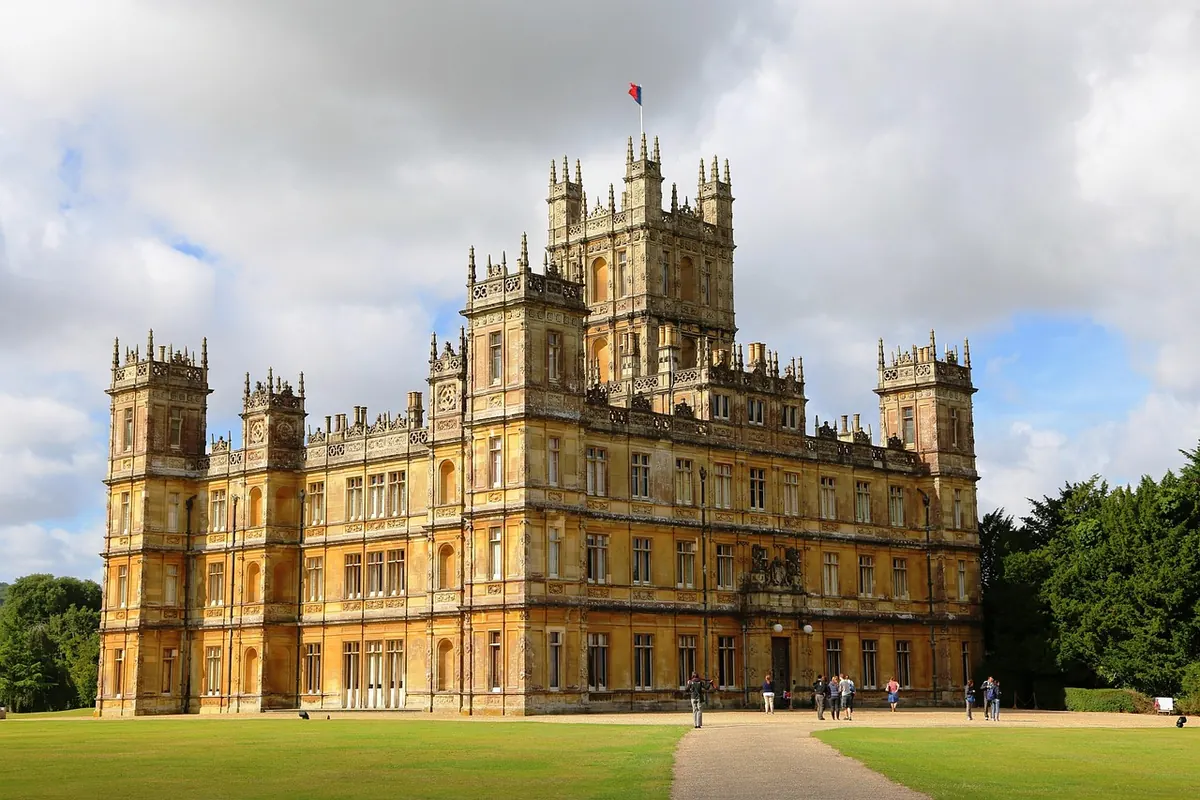
Lord Ashcombe's will is missing. The east wing has been shut since the fire. The new maid was seen coming up the service stairs at two in the morning, and she was not carrying a tray.
You do not need much more than that. The British country house is one of the most efficient secret-keeping machines ever built, and it comes with its own weather, its own hierarchy and its own long memory. Point a fantasy mystery at one and the plot starts writing itself — as long as you know which doors to open.
The House Is a Character, Not a Backdrop
A stately home is not a building so much as a family argument with plumbing. Every generation adds something: a Georgian façade bolted onto Tudor bones, a Victorian conservatory, a twentieth-century rewire that half worked. The result is a house of uneven memory. Some rooms are colder than others. Some doors have been sealed up and papered over. The floorplan you can draw is never quite the floorplan the house is using.
That is why the setting matters. A generic castle can be swapped for any other castle without anyone noticing. A specific house cannot. Give yours a name, a date and a grudge. Decide what the family is proud of and what it has spent two centuries trying to hide, then let the architecture lie about it.
Servants' Passages: Where the Real Story Lives
The best secrets travel below stairs. Above, you get carpet, portraits and conversation that means nothing. Below, you get lino, pipes, and people who hear everything through the floorboards.
The physical details do a lot of work for free. A green baize door that swallows sound. A bell board in the passage with a label under each room, some of them for rooms that no longer exist. A box room stuffed with trunks nobody has opened since the war. A narrow service stair that lets a character be in two places at once — apparently.
A hidden staircase is never just a route. It is a class boundary made of wood and plaster. Who is allowed to use it, and who would be embarrassed to be seen using it, tells you almost everything about your cast. Put one clue in a space that only staff ever enter: a laundry list, a coal bill, a dent in the skirting where a trolley always hits the same spot. Readers remember objects. They forget speeches.
Isolation Without Absurdity
You rarely need magic to trap people in a country house. The weather does it free. A lane that floods. A bridge that is out. Snow on the park and no gritting until Tuesday. Fog off the river that turns a mile of drive into a rumour. The telephone line comes down, and the nearest working phone box is in a village that has already gone to bed.
Isolation is also social. The estate sits inside a parish where everyone knows the family's business and has decided, collectively, not to discuss it. The doctor knows. The vicar knows. The publican knows more. That silence is more claustrophobic than any storm, and it gives you a whole village of suspects who are all protecting somebody.
Money, Blood and Hierarchy
Old houses are expensive in ways that never stop being useful. Roofs, gutters, heating, staff, death duties. Families sell paintings, open the state rooms to the public, marry money from somewhere slightly embarrassing, and argue about it for decades. Financial pressure makes people lie. It makes them lie in writing, which is better still.
Then there is inheritance. Eldest sons, entailed estates, dowries, the cousin nobody invited, the will that was rewritten last Tuesday. In fantasy, add one thing that must not leave the property: a bargain struck with something in the park, a bound spirit in the chapel, a wall that holds a promise. Suddenly a legal question becomes a supernatural one, and every guest has a reason to want the answer.
The social ladder is your cast list. Family, guests, senior staff, junior staff, tenants, villagers, the man delivering the coal. Each rung has a different version of events, and the truth is usually assembled from the two lowest ones.
A Kit of Details Worth Stealing
- A long gallery with portraits hung so that one face is turned to the wall.
- A ha-ha: a ditch that hides a boundary, so the garden looks endless and is not.
- A folly on the hill, built for no reason anyone will admit to.
- An ice house, a walled garden, a bothy, a gamekeeper's cottage with a new lock.
- Bell pulls labelled for rooms demolished in 1890.
- A locked door in a corridor where every other door is open.
- Estate maps that disagree with each other, dated two generations apart.
- A right of way that cuts straight through the private park — a legal route strangers may walk.
Pick three and use them properly rather than scattering twelve and using none.
Putting Magic In Without Breaking the House
The rule is simple: magic must not be able to answer the mystery. If a spell can find anything, or a spirit can be asked directly who did it, you have written yourself out of a plot.
So give magic limits, and make the limits interesting. It needs a name, and names on this estate are shared, changed and buried. It works only on consecrated ground, or only on land that the family actually owns — which raises the question of what the boundary dispute was really about. It cannot cross running water, or iron, or the threshold of a house where it was never welcomed. Better still, magic that reads intent rather than fact: it tells you who was frightened, not who was guilty.
Tie it to the estate itself. Wards become property law. A family gift becomes a family debt. The house remembers what the people in it have agreed to forget, and the fantasy element simply makes that literal.
Getting It on the Page
Draw a floorplan before you write chapter one, even a rough one, and mark which rooms have windows you can actually reach. Visit a real house if you can — the National Trust and Historic Houses both open properties where you can see service corridors, bell boards and back stairs for yourself, and a single afternoon there is worth a shelf of research.
Then keep things small and specific. Five guests, not fifteen. Two floors you use and one you only mention. A single impossibility, firmly established, that the reader trusts you to honour. Give the day an ordinary shape: breakfast, the post, a walk, a power cut at dusk.
And remember that the most frightening thing in a country house is rarely the ghost. It is the moment the housekeeper sets down the tray, says nothing at all, and leaves the room. Write that scene first. Everything else is logistics.
Photo: leefenn-tripp / Pixabay