
Seasonal Writing: Using British Autumn Weather to Build Fantasy Mystery Atmosphere
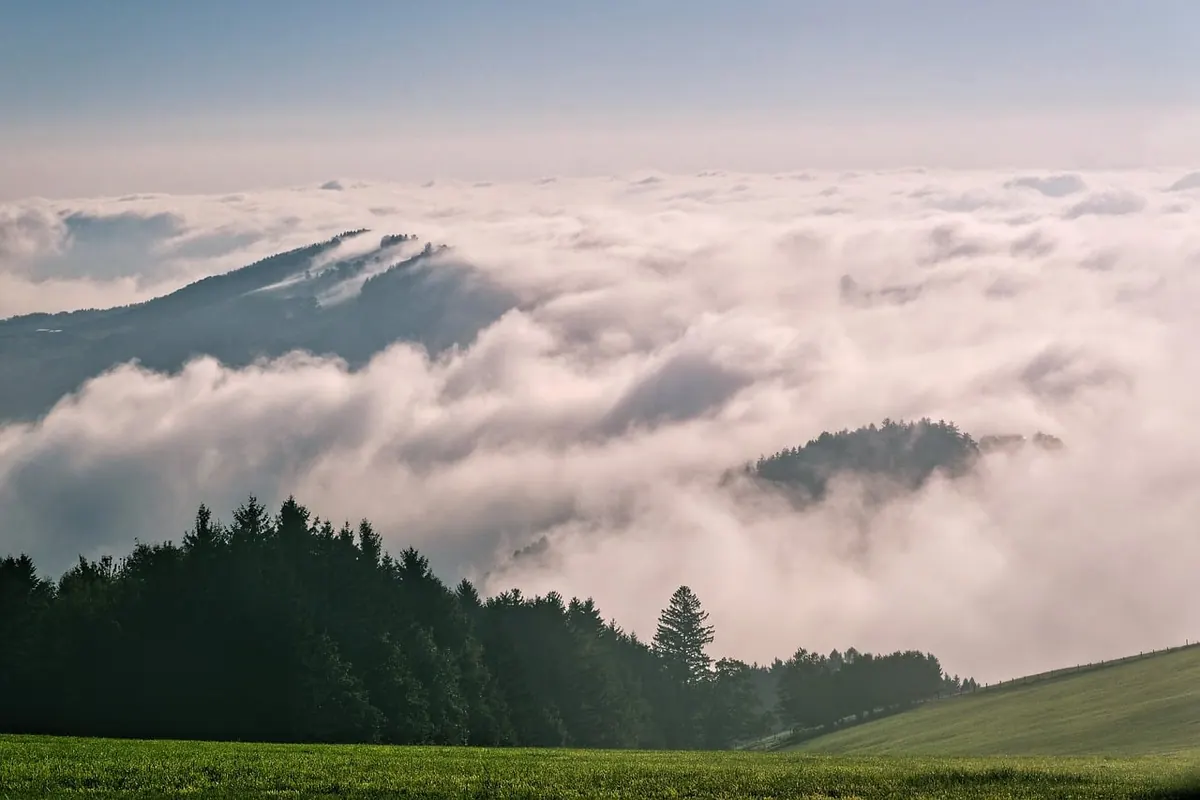
British autumn does not arrive so much as seep in. One morning the field beyond the gate is simply gone, the church tower is a grey smudge, and the hedgerows drip with a patience that feels almost deliberate. For a fantasy mystery, that is not scenery. It is a mechanism. Weather decides what your characters can see, what they can hear, who they can find, and which clue survives long enough to be read.
Fog Is a Character, Not a Backdrop
Fog is the most useful weather in the mystery writer's kit because it does three jobs at once: it limits sightlines, it muddles sound, and it makes ordinary places strange. A lane your reader knows well becomes a corridor with no end. A bell or a footstep arrives without a visible source, and nobody can judge how far off it is.
The mistake is treating fog as decoration. Give it rules and it becomes a tool.
- Decide the visibility and hold to it. If your detective can see forty paces, she cannot spot a figure on the ridge, and neither can you as the writer. Fog that lifts whenever the plot needs it teaches readers not to trust you.
- Give it a smell. Wet wool, coal smoke, cold iron from the canal, rotting grass. In a fantasy setting it might carry something stranger: powdered bone, incense from a temple, the sharp green smell of a spell gone wrong.
- Let it hide something that matters — a wound, a second set of footprints, a rider leaving the inn — but pay that off later. Concealment should cost someone.
Save your densest fog for scenes where your characters must move anyway. A chase in poor visibility is a negotiation: how fast can you run when you cannot see the ground?
Rain Should Do Something or Leave
Rain is a plot device disguised as atmosphere. It erases tracks, swells a ford, ruins a letter left on a windowsill, drives strangers into the same taproom, delays a burial, and turns a tidy village into a place of mud and short tempers.
It also reveals. A downpour washes dust off a chalk mark. A soaked cloak leaves the shape of a body pressed against stone. Water fills a footprint and holds the print where dry earth would crumble. Drizzle is gentler and often better: it keeps people indoors, hunts them under the same leaking awning, and makes every conversation feel overheard.
A working test: if nobody has to change their plan because of the weather, cut it.
Mist, Mizzle and the Slow Reveal
Mist is fog's thinner cousin. It softens rather than blocks, which makes it the better choice for teasing a reader. A boat emerges from river mist one shape at a time. A line of figures on the marsh resolves into people you know — or people you hoped never to see again.
British weather gives you a precise vocabulary, and using it well earns trust. Mizzle is the fine, persistent drizzle of the West Country. Dreich belongs to Scotland: grey, damp, windless, and utterly without mercy. Claggy describes air with a thick, clinging quality. You do not need a glossary, but one accurate word does more work than a paragraph of description.
Keep mist low and moving. Mist that sits still for a whole chapter stops being weather and starts being wallpaper.
Harvest Festivals: Crowds, Ritual and Misdirection
Autumn's calendar is a gift to anyone plotting a mystery. Lammas, Michaelmas, the church harvest festival, All Hallows' Eve, Bonfire Night, Martinmas — each one brings a crowd, a rule, and a reason for everyone to be somewhere they would not otherwise choose.
Festivals solve the problem of the too-small cast. A stranger can arrive without explanation. A quarrel can be overheard and misheard. Fifteen people can each be certain of what they saw, and all fifteen can be wrong.
- Quarter days as motive. Michaelmas was when rents fell due and servants were hired. Old debts, expired tenancies and dismissed workers make quiet, believable grudges.
- Ritual as constraint. If custom says the last sheaf must be cut by the youngest unmarried woman, or that nobody may leave before the toast, you have built a rule your culprit must work around.
- Misrule as cover. At harvest suppers, roles loosen. A servant wears the master's coat, drink flows, and a stranger is welcomed rather than watched.
- The bonfire as disposal. Fire destroys evidence and, better still, draws every eye in the village to one spot.
- The feast as clue. Ale, honey, goose, a dish nobody will touch. Food is easy to track and easy to spoil, and tastes linger in a reader's memory.
Build a Weather Calendar Before You Draft
Atmosphere collapses when the weather changes to suit the mood of a scene. Fix it in advance instead. A simple calendar on one page will keep you honest.
- Mark your story's span across the season. Early September is warm and close; late October is wet and gusting; the first hard frost usually lands before the climax, and it changes everything — noise, tracks, tempers, the price of firewood.
- Write conditions at the top of every scene. "Drizzle. Visibility two hundred paces. Wind from the east." Two minutes of work, and the description will write itself.
- Track water. Wet ground holds prints; standing water holds reflections; running water holds nothing at all.
- Check continuity. If it rained all night, the lanes are mud, boots are heavy, and the inn fire smokes.
- Let the weather thwart your protagonist at least once per act. Frustration is how weather becomes story.
Keep the details regional and specific: haws and sloes in the hedge, swallows gone, acorns heavy on the oak, a coat that never quite dries. Avoid imported vocabulary — fall, sidewalk, gotten — unless a character has a reason to use it.
A Ten-Minute Exercise
Take one clue: a torn glove, a broken buckle, a name scratched into a pew. Now write the scene in which it is found three times. Once in fog, once in driving rain, once in the crush of a harvest supper.
Ask what each version gives you. In fog, who nearly finds it first? In rain, what is destroyed before your detective arrives? At the supper, who finds it and misreads it completely? The version that puts the most pressure on your characters is the one worth keeping. Autumn in Britain is generous that way: it hands you cover, confusion and a ticking clock, and asks only that you use them honestly.
Photo: shogun / Pixabay